Free shipping on orders over $85 valid for Italy only
Free shipping on orders over $85 valid for Italy only
Free shipping on orders over $85 valid for Italy only
Free shipping on orders over $85 valid for Italy only
Free shipping on orders over $85 valid for Italy only
Free shipping on orders over $85 valid for Italy only
The varieties of olive oil and their organoleptic characteristics
2.1 Extra virgin olive oil
2.2 Italian olive oil
2.3 Spanish olive oil
How to choose olive oil: practical tips
3.1 Origin and quality of olive oil
3.2 Acidity and other quality factors.
How to store olive oil: the best methods
4.1 Bottle storage
4.2 Storage in cans
Buying olive oil online: the best options
5.1 Buy olive oil directly from the producer
5.2 Buy olive oil online
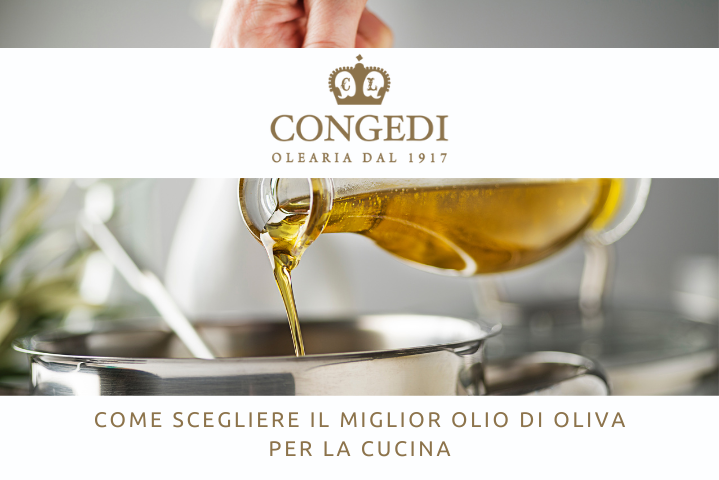
Olive oil is a foodstuff of great importance in Mediterranean cuisine, but not only. Its growing popularity in other parts of the world as well has led to the production of a wide variety of olive oils, which differ in quality, origin and organoleptic characteristics. Choosing the best olive oil for your kitchen can seem like a challenge, but with the right tips and advice, it becomes easier to make an informed choice. In this article, we will explore the origin and characteristics of olive oil, the best varieties for each dish, and the factors to consider when choosing the best olive oil for your kitchen. In addition, we will look at how to store olive oil to maintain its freshness and aroma and the best options for buying it online.
Olive oil: origins and characteristics
The origins of olive oil
Olive oil has a long history dating back to the times of ancient Greece and the Roman Empire. Olive oil was used not only as a food but also as a beauty and medicinal product. Today, olive oil is mainly produced in Mediterranean countries, including Italy, Spain and Greece.
The characteristics of olive oil
Olive oil is a natural product obtained from the pressing of olives. Its chemical composition and organoleptic characteristics vary depending on the variety of olives, the area of production and the method of production. Olive oil is a source of monounsaturated fatty acids, vitamins and antioxidants that make it a health food.
The varieties of olive oil and their organoleptic characteristics
Extra virgin olive oil
Extra virgin olive oil is the highest quality variety of olive oil, obtained by cold pressing olives without the use of chemicals. It has a low acidity content and an intense, fruity aroma and flavor. It is ideal for raw use on salads, vegetables and meat.
Italian olive oil
Italy is one of the world’s leading olive oil producers and offers a wide variety of olive oils, each with its own organoleptic characteristics. Italian olive oil has a fruity aroma and a slightly bitter taste. It is ideal for use raw on fish dishes, salads and vegetables.
Spanish olive oil
Spain is the largest olive oil producer in the world and offers a wide range of high quality olive oils. Spanish olive oil has a fruity aroma and mild flavor. It is ideal for raw use on meat dishes, vegetables, and salads.
How to choose olive oil: practical tips
Provenance and quality of olive oil
The provenance of olive oil is an important factor in choosing the best olive oil for your cooking. Olive oil from olive growing regions that are renowned and known for producing high quality olive oil is often the best choice. In addition, the quality of olive oil is influenced by factors such as the method of production, the olive harvest, and the time elapsed between harvest and pressing.
Acidity and other quality factors
Acidity is one of the main factors to consider when choosing olive oil. Extra virgin olive oil has an acidity content of less than 0.8 percent, while virgin olive oil has an acidity content of less than 2 percent. In addition, other factors to consider include the flavor, aroma and texture of the olive oil.
How to store olive oil: the best methods
Bottle storage
To keep olive oil fresh and aromatic, it is important to store it in a dark glass bottle at room temperature away from sources of heat and direct light. Once the bottle is opened, it is advisable to consume the olive oil within 6 months.
Storage in a can
Storing olive oil in cans is a viable alternative to storing it in bottles. Cans protect olive oil from light and air and allow it to be stored for a longer period. However, it is important to check the expiration date and use the olive oil by the date indicated on the can.
Buying olive oil online: the best options
Buy olive oil directly from the producer
Buying olive oil directly from the producer is an ideal option to ensure that you are purchasing a high-quality product. Many manufacturers offer the option of buying olive oil online and having it delivered directly to your home.
Buy olive oil online
Buying olive oil online is a convenient and affordable option, but it is important to choose a reputable seller with a good reputation. Verifying the provenance and quality of the olive oil before making the purchase is critical to making an informed choice.
Choosing the best olive oil for your kitchen may seem difficult, but with the right tips and advice, you can make an informed choice. The provenance and quality of olive oil are key factors in choosing the best product. In addition, it is important to store olive oil properly to maintain its freshness and aroma. Buying olive oil online is a convenient and affordable option, but it is important to choose a reliable and high-quality seller.
Per fornire le migliori esperienze, utilizziamo tecnologie come i cookie per memorizzare e/o accedere alle informazioni del dispositivo. Il consenso a queste tecnologie ci permetterà di elaborare dati come il comportamento di navigazione o ID unici su questo sito. Non acconsentire o ritirare il consenso può influire negativamente su alcune caratteristiche e funzioni.
Funzionale
Always active
L'archiviazione tecnica o l'accesso sono strettamente necessari al fine legittimo di consentire l'uso di un servizio specifico esplicitamente richiesto dall'abbonato o dall'utente, o al solo scopo di effettuare la trasmissione di una comunicazione su una rete di comunicazione elettronica.
Preferenze
L'archiviazione tecnica o l'accesso sono necessari per lo scopo legittimo di memorizzare le preferenze che non sono richieste dall'abbonato o dall'utente.
Statistiche
L'archiviazione tecnica o l'accesso che viene utilizzato esclusivamente per scopi statistici.L'archiviazione tecnica o l'accesso che viene utilizzato esclusivamente per scopi statistici anonimi. Senza un mandato di comparizione, una conformità volontaria da parte del vostro Fornitore di Servizi Internet, o ulteriori registrazioni da parte di terzi, le informazioni memorizzate o recuperate per questo scopo da sole non possono di solito essere utilizzate per l'identificazione.
Marketing
L'archiviazione tecnica o l'accesso sono necessari per creare profili di utenti per inviare pubblicità, o per tracciare l'utente su un sito web o su diversi siti web per scopi di marketing simili.
 Free shipping on orders over $85 valid for Italy only